The Ultimate Guide to Seasonal Flower Planting
Discover the best practices for planting seasonal flowers, including tips for different climates and the top flowers for each season.
Understanding Seasonal Flower Planting
Seasonal flower planting is an essential aspect of maintaining a vibrant and flourishing garden. Seasonal planting involves selecting flowers that thrive in specific weather conditions, ensuring your garden remains colorful and healthy throughout the year. By understanding the growing patterns of different flowers, you can strategically plant them to take advantage of their natural growth cycles. This approach not only enhances the aesthetic appeal of your garden but also promotes a more sustainable and environmentally friendly gardening practice. Knowing when to plant can prevent common issues such as frost damage or heat stress, allowing your flowers to reach their full potential.
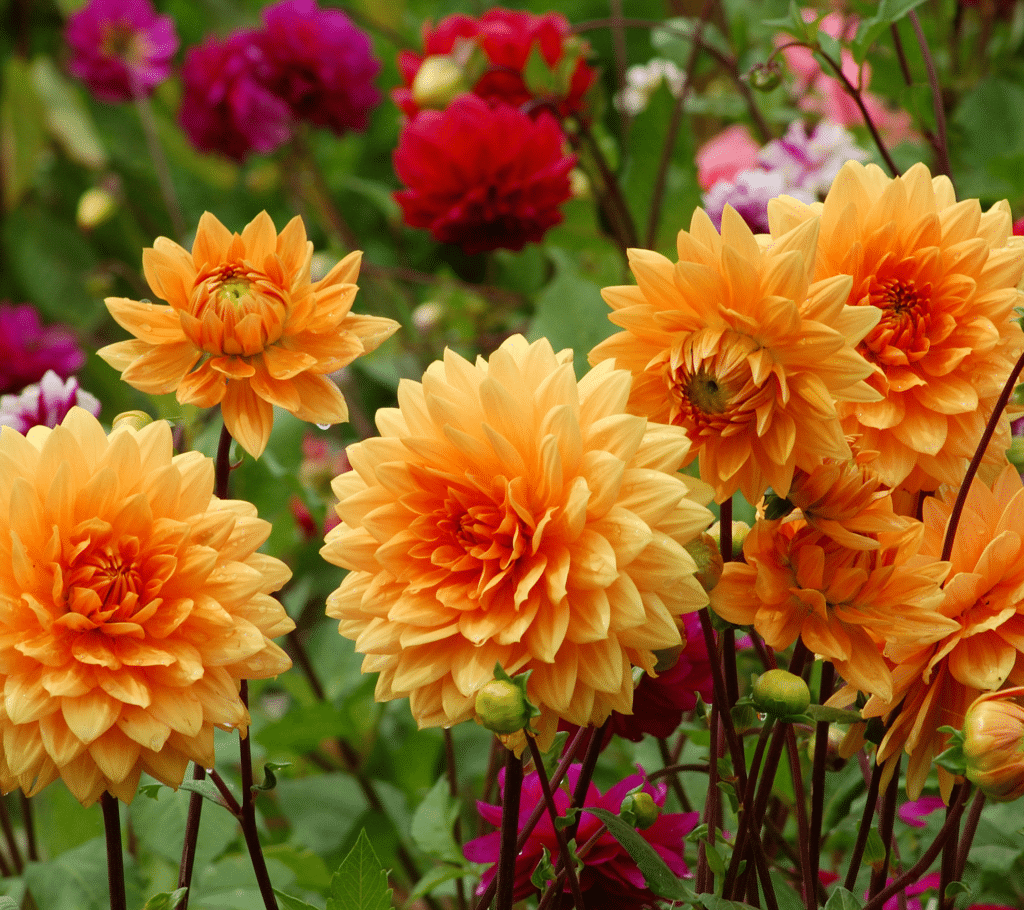
Spring Blossoms: A Fresh Start
Spring is synonymous with renewal and growth, making it the perfect season for planting a variety of vibrant flowers. Bulbs like tulips, daffodils, and hyacinths are popular choices for spring planting due to their early bloom and striking colors. These flowers should be planted in the fall to ensure they have enough time to establish roots before the spring thaw. Additionally, annuals such as pansies and petunias can be planted in early spring to add immediate color to your garden. By incorporating a mix of perennials and annuals, you can create a dynamic and ever-changing garden landscape that welcomes the new season with open arms.
Summer Blooms: Heat-Loving Beauties
As temperatures rise, summer brings a different set of flowers that thrive in the heat. Heat-tolerant flowers like marigolds, zinnias, and sunflowers are excellent choices for summer planting. These flowers not only withstand high temperatures but also require minimal maintenance, making them ideal for busy gardeners. To keep your summer garden looking lush, consider planting flowers in well-draining soil and providing adequate water during dry spells. Mulching can also help retain moisture and keep the soil cool. By selecting flowers that are adapted to summer conditions, you can enjoy a vibrant and colorful garden even in the hottest months.
Autumn Colors: Preparing for Cooler Weather
Autumn is a transitional season that offers a unique opportunity to plant flowers that can withstand cooler temperatures. Chrysanthemums, asters, and ornamental kale are popular autumn flowers that bring rich, warm colors to your garden. Planting these flowers in late summer ensures they have enough time to establish before the first frost. Additionally, autumn is an excellent time to plant spring-blooming bulbs, as the cooler temperatures help them develop strong root systems. By planning ahead and choosing flowers that thrive in cooler weather, you can extend the beauty of your garden well into the fall.
Winter Wonders: Hardy and Resilient
Winter may seem like a challenging season for gardening, but there are several flowers that can withstand cold temperatures and even thrive in frost. Pansies, hellebores, and winter jasmine are examples of hardy flowers that can add color to your garden during the colder months. Planting these flowers in the fall allows them to establish roots before the ground freezes. Additionally, using protective measures such as mulch and frost covers can help shield your plants from extreme cold. By selecting winter-hardy flowers and taking the necessary precautions, you can enjoy a beautiful garden year-round, even in the depths of winter.