The Future of Autonomous Vehicles
The future of autonomous vehicles promises safer roads, enhanced mobility, and revolutionary changes in transportation infrastructure.
The Evolution of Autonomous Vehicles
The Road to Self-Driving Technology Autonomous vehicles, also known as self-driving cars, have been a topic of fascination and research for decades. The journey began with simple driver-assistance systems and has gradually evolved into sophisticated technologies capable of navigating complex environments. The integration of artificial intelligence (AI), machine learning, and sensor technology has been pivotal in this evolution. These advancements have not only enhanced vehicle safety but also laid the groundwork for fully autonomous driving. The shift from manual to autonomous driving represents a monumental leap in both technology and societal change, promising a future where human intervention in driving is minimal.
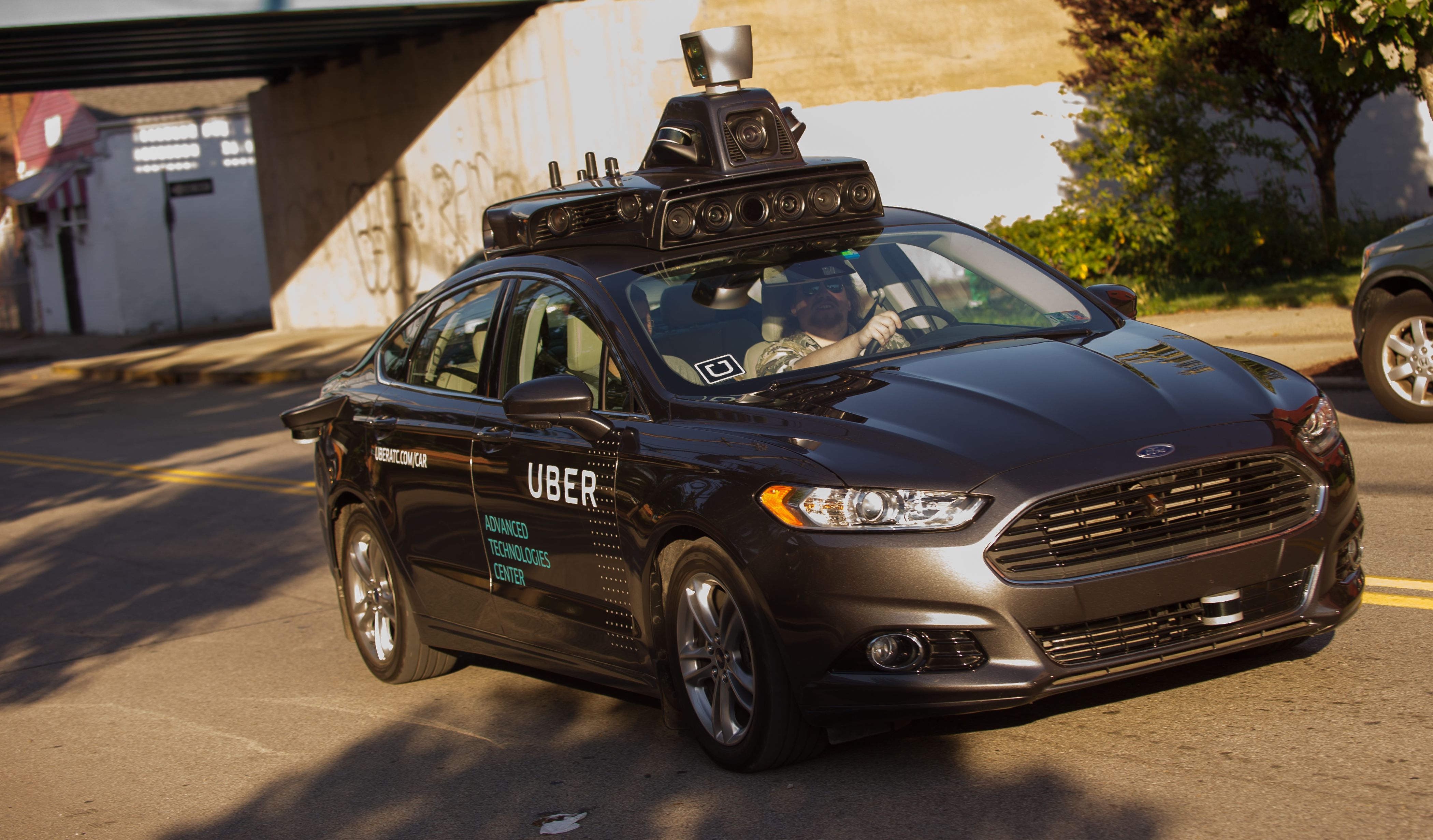
Key Technologies Behind Autonomous Vehicles Several core technologies power the functionality of autonomous vehicles. Lidar (Light Detection and Ranging), radar, and camera systems work in unison to perceive the vehicle's surroundings. Lidar uses laser pulses to create detailed 3D maps, while radar detects objects and measures their speed. Cameras provide visual data, essential for recognizing road signs and lane markings. AI algorithms process this sensory input, enabling the vehicle to make real-time decisions. Additionally, V2X (Vehicle-to-Everything) communication allows vehicles to interact with each other and infrastructure, enhancing safety and efficiency. These technologies collectively create a robust framework for autonomous driving.
Safety and Ethical Considerations Safety is paramount in the development of autonomous vehicles. Manufacturers and researchers prioritize creating systems that can handle a wide range of scenarios, from routine driving to emergency situations. Redundancy in systems, such as having multiple sensors, ensures reliability. However, ethical considerations also come into play. For instance, how should an autonomous vehicle react in a situation where harm is unavoidable? These ethical dilemmas necessitate comprehensive guidelines and regulations. Ensuring the safety of not only the vehicle occupants but also pedestrians and other road users is a complex challenge that the industry continues to address.
Economic and Environmental Impact The advent of autonomous vehicles is poised to have significant economic and environmental impacts. On the economic front, industries such as logistics and ride-sharing stand to benefit immensely. Autonomous vehicles can operate around the clock, reducing labor costs and increasing efficiency. Environmentally, these vehicles can contribute to reduced emissions through optimized driving patterns and the integration of electric vehicle (EV) technology. Additionally, the reduction in traffic congestion and accidents can lead to lower fuel consumption and less environmental degradation. The broader adoption of autonomous vehicles could thus play a crucial role in sustainable development.
Challenges and Barriers to Adoption Despite the promising future, several challenges and barriers hinder the widespread adoption of autonomous vehicles. Technological limitations, such as the need for improved sensor accuracy and AI decision-making capabilities, are significant hurdles. Furthermore, regulatory frameworks need to evolve to accommodate this new mode of transportation. Public perception and trust are also critical factors; many people remain skeptical about the safety and reliability of self-driving cars. Infrastructure development, including smart roads and traffic management systems, is another crucial aspect that requires attention. Addressing these challenges is essential for the successful integration of autonomous vehicles into society.
The Future Landscape of Transportation The future landscape of transportation is set to be transformed by autonomous vehicles. As technology continues to advance, we can expect a gradual shift towards more connected and intelligent transportation systems. This transformation will likely lead to a decrease in private car ownership, with more people opting for shared mobility solutions. Urban planning and infrastructure will also need to adapt to accommodate these changes. The potential for reduced traffic accidents, improved traffic flow, and enhanced mobility for individuals who cannot drive are just some of the benefits. The road ahead for autonomous vehicles is promising, and their impact on society will be profound.