The Evolution of Motorcycle Safety Gear
Explore the fascinating journey of motorcycle safety gear, from rudimentary helmets to advanced protective technologies, ensuring rider safety.
The Early Days of Motorcycle Safety Gear
Motorcycle safety gear has come a long way since the early days of motorcycling. Initially, riders wore little more than everyday clothing, which provided minimal protection in the event of an accident. Leather jackets and heavy boots were among the first pieces of specialized gear adopted by motorcyclists, offering better abrasion resistance than regular attire. However, helmets were not always part of the standard gear, leaving riders vulnerable to head injuries. Over time, as the popularity of motorcycling grew, so did the awareness of the need for better safety measures. This led to the gradual development of more sophisticated protective gear specifically designed to safeguard riders on the road.
The Advent of Helmets
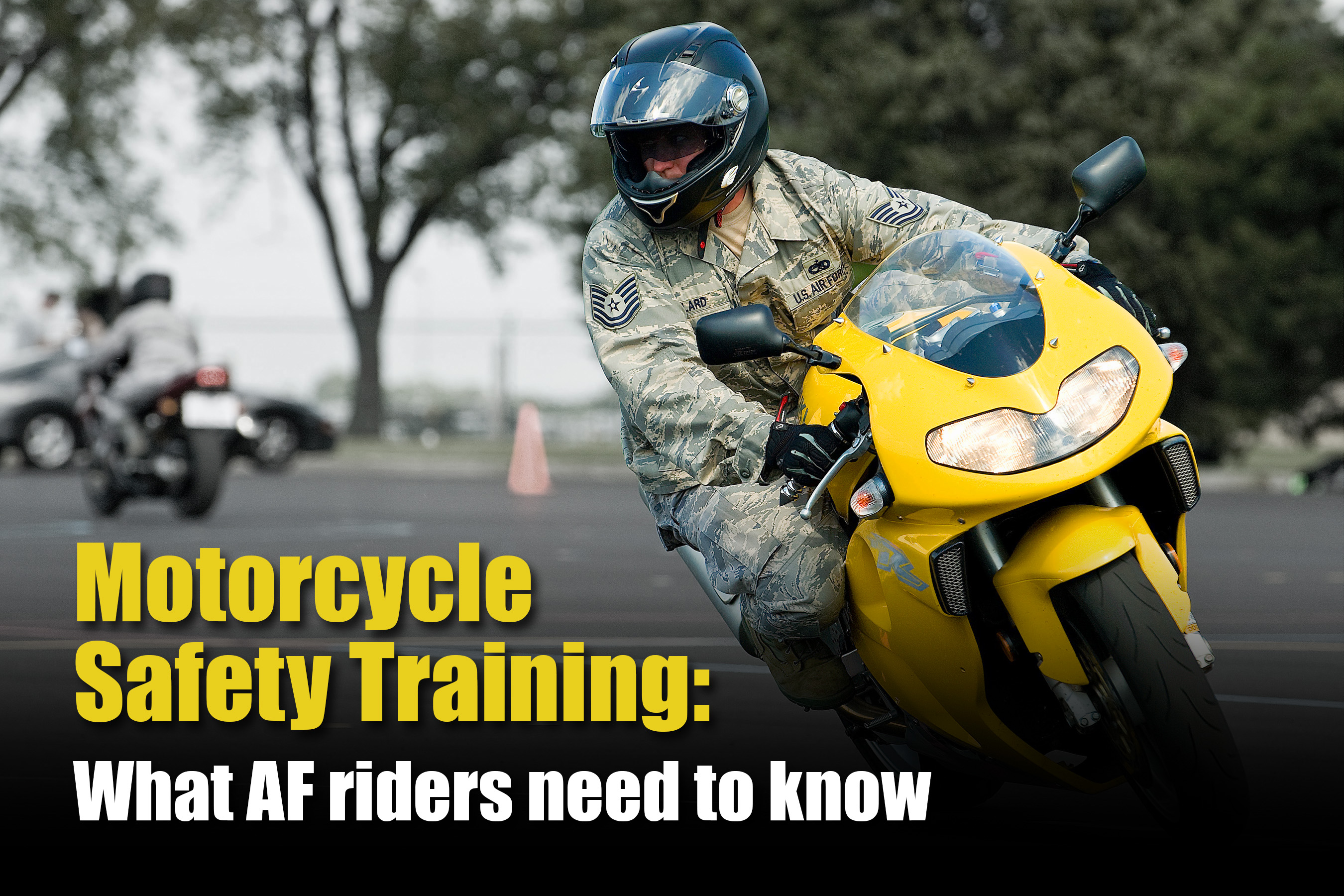
The introduction of helmets marked a significant milestone in motorcycle safety. Early helmets were rudimentary and provided limited protection, but they were a step in the right direction. As research into head injuries and crash dynamics progressed, helmet designs evolved to offer improved protection. Modern helmets are constructed from advanced materials like fiberglass and polycarbonate, featuring multiple layers for enhanced impact absorption. Additionally, innovations such as full-face helmets and modular helmets provide comprehensive coverage, protecting not only the head but also the face and jaw. Helmets have become an essential piece of gear, dramatically reducing the risk of severe head injuries in accidents.
Protective Clothing: Beyond Leather
While leather remains a popular choice for motorcycle gear, advances in textile technology have led to the development of alternative materials that offer superior protection and comfort. Modern motorcycle jackets and pants often incorporate Kevlar and Cordura, which provide excellent abrasion resistance while being lighter and more breathable than traditional leather. These garments are often equipped with armor inserts at key impact points such as the shoulders, elbows, and knees, further enhancing rider safety. Reflective materials and bright colors have also been integrated into the design of protective clothing, improving visibility and reducing the risk of accidents caused by poor visibility.
Gloves and Boots: Essential Accessories
In addition to helmets and protective clothing, gloves and boots are crucial components of motorcycle safety gear. High-quality motorcycle gloves are designed to protect the hands from abrasions and impacts while providing a secure grip on the handlebars. Features such as reinforced knuckles and padded palms enhance protection and comfort. Similarly, motorcycle boots are engineered to safeguard the feet and ankles from injuries. They typically feature sturdy construction, reinforced toe boxes, and ankle support to prevent fractures and sprains. Both gloves and boots are indispensable for ensuring a rider's safety and comfort on the road.
The Rise of Airbag Technology
One of the most significant advancements in motorcycle safety gear in recent years is the development of airbag technology. Originally designed for automobiles, airbags have been adapted for use in motorcycle gear, offering unprecedented protection in the event of a crash. Airbag vests and jackets are equipped with sensors that detect sudden changes in motion, triggering the inflation of the airbag to cushion the rider's body. This technology provides critical protection to the chest, back, and neck, reducing the risk of severe injuries. As airbag systems become more affordable and widely available, they are expected to become a standard feature in motorcycle safety gear.
The Future of Motorcycle Safety Gear
The evolution of motorcycle safety gear is an ongoing process, driven by continuous advancements in materials science and technology. Future innovations may include smart helmets with integrated communication systems and augmented reality displays, providing riders with real-time information and enhancing situational awareness. Advanced textiles with built-in sensors could monitor a rider's vital signs and detect potential hazards, alerting the rider to take preventive action. As the industry continues to prioritize safety, we can expect to see even more sophisticated gear that offers enhanced protection and comfort, making motorcycling a safer and more enjoyable experience for all.