The Benefits of Hybrid Cars Explained
Hybrid cars offer numerous benefits including fuel efficiency, reduced emissions, cost savings, and a smoother driving experience.
Understanding Hybrid Cars
Hybrid cars are a marvel of modern engineering, blending the best of both gasoline and electric power to create a more efficient, eco-friendly driving experience. These vehicles use a combination of an internal combustion engine and an electric motor to optimize fuel consumption and reduce emissions. The primary advantage of this setup is that it allows the car to switch between power sources, depending on driving conditions. For instance, the electric motor might handle low-speed city driving, while the gasoline engine takes over for highway cruising. This seamless transition not only improves fuel efficiency but also minimizes the car's carbon footprint, making hybrid cars a compelling choice for environmentally conscious drivers.
Fuel Efficiency and Cost Savings
One of the most significant benefits of hybrid cars is their impressive fuel efficiency. By utilizing an electric motor in conjunction with a gasoline engine, these vehicles can achieve remarkable miles per gallon (MPG) ratings. This translates to fewer trips to the gas station and substantial cost savings over time. For drivers who commute long distances or frequently find themselves stuck in traffic, the ability to run on electric power during stop-and-go conditions can result in even greater savings. Moreover, many governments offer tax incentives and rebates for hybrid car owners, further offsetting the initial purchase cost and making these vehicles an economically sound investment.
Environmental Impact
Hybrid cars are designed with the environment in mind. By reducing reliance on fossil fuels and lowering greenhouse gas emissions, these vehicles play a crucial role in combating climate change. The dual powertrain system enables the car to operate more efficiently, cutting down on the amount of fuel burned and, consequently, the pollutants released into the atmosphere. Additionally, many hybrid models feature regenerative braking systems, which capture energy typically lost during braking and use it to recharge the battery. This innovative technology not only enhances fuel efficiency but also reduces wear and tear on the braking system, further contributing to the car's overall sustainability.
Performance and Driving Experience
Contrary to some misconceptions, hybrid cars are not lacking in performance. Modern hybrid vehicles are equipped with advanced technologies that deliver a smooth and responsive driving experience. The instant torque provided by the electric motor ensures quick acceleration, while the gasoline engine offers the power needed for high-speed driving. Many hybrids also come with various driving modes, allowing drivers to choose between maximum efficiency and enhanced performance based on their needs. Additionally, the seamless transition between power sources ensures a quiet and comfortable ride, making hybrid cars an excellent choice for both city and highway driving.
Maintenance and Longevity
Hybrid cars are known for their reliability and longevity. The dual powertrain system means that each component experiences less wear and tear compared to traditional vehicles. For instance, the electric motor can take over during low-speed driving, reducing the strain on the gasoline engine. This not only extends the lifespan of the engine but also lowers maintenance costs. Furthermore, the regenerative braking system helps preserve the brake pads, leading to fewer replacements over the car's lifetime. Many hybrid vehicles also come with extended warranties for their battery packs, providing additional peace of mind for owners concerned about long-term durability.
Future of Hybrid Technology
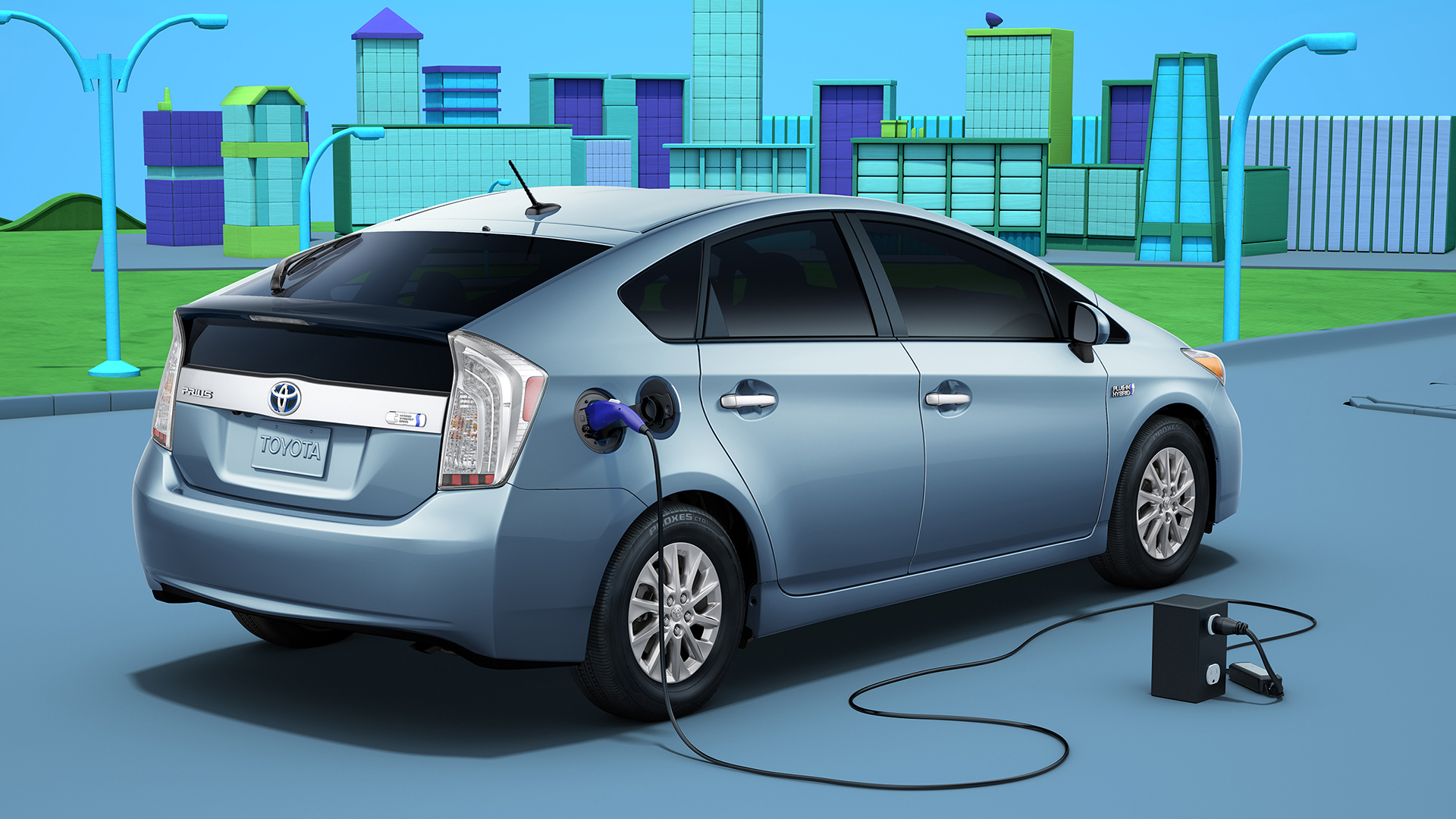
The future of hybrid technology looks promising, with continuous advancements aimed at enhancing efficiency and performance. Automakers are investing heavily in research and development to create next-generation hybrid systems that offer even greater fuel savings and lower emissions. Innovations such as plug-in hybrids, which can be charged from an external power source, are already making waves in the automotive industry. These vehicles provide the flexibility of running on electric power alone for short distances, further reducing fuel consumption. As technology progresses, we can expect hybrid cars to become even more accessible and appealing to a broader range of drivers, solidifying their role in the transition to a more sustainable transportation future.