Nutritional Tips for Peak Athletic Performance
Discover essential nutritional tips to boost your athletic performance, enhance recovery, and maintain peak physical condition.
Balanced Diet: The Foundation of Performance
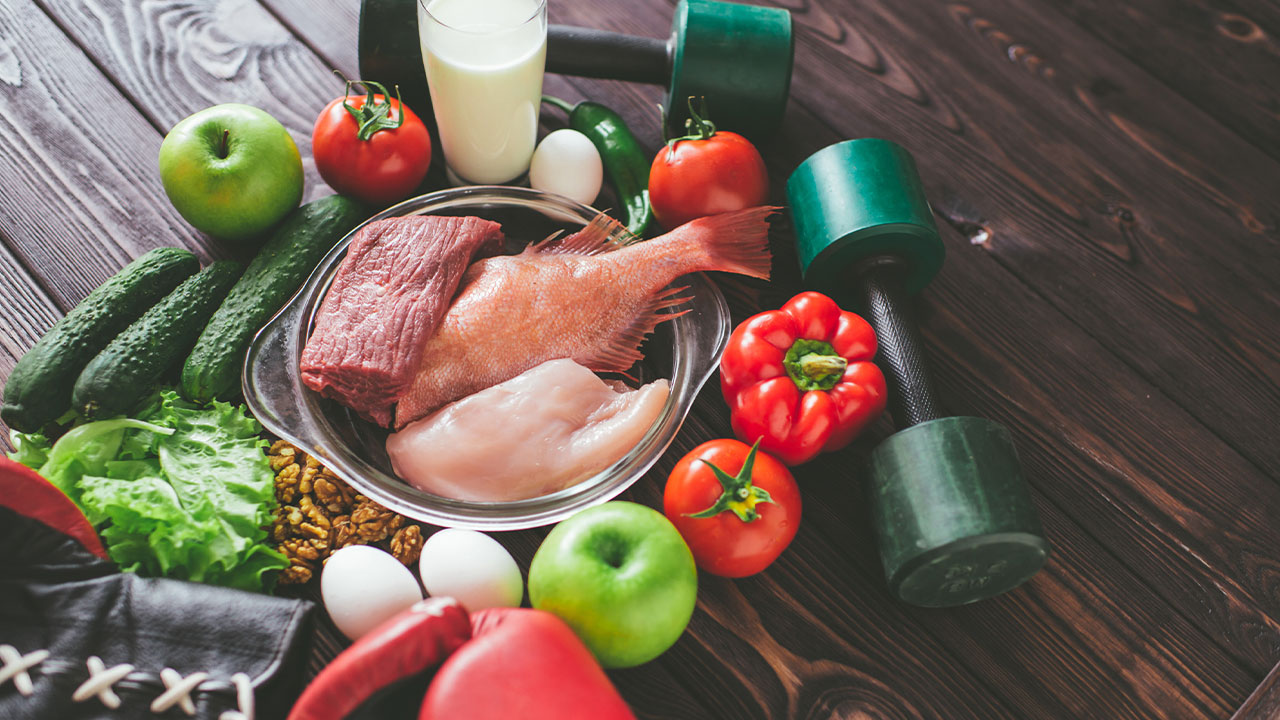
A balanced diet is crucial for any athlete aiming to achieve peak performance. This means consuming a variety of foods to ensure you're getting a full spectrum of nutrients. Carbohydrates are essential as they provide the primary fuel for your muscles during exercise. Include whole grains, fruits, and vegetables in your diet to ensure a steady supply of energy. Proteins are vital for muscle repair and growth, so incorporate lean meats, beans, and legumes. Don't forget about healthy fats, such as those found in avocados, nuts, and seeds, which are important for hormone production and overall health. By maintaining a balanced diet, you'll provide your body with the necessary tools to perform at its best.
Hydration: The Unsung Hero
Hydration plays a pivotal role in athletic performance, yet it is often overlooked. Dehydration can lead to decreased coordination, muscle fatigue, and a higher risk of injury. It's important to drink water throughout the day, not just during exercise. Aim for at least 8-10 glasses of water daily, and more if you're engaging in intense physical activity. Electrolytes such as sodium, potassium, and magnesium are also crucial, especially during long-duration events. These can be replenished through sports drinks or natural sources like bananas and coconut water. Keeping your body well-hydrated ensures that your muscles function optimally and that you maintain peak performance.
Timing Your Meals
When you eat can be just as important as what you eat. Meal timing helps ensure that your body has the fuel it needs when it needs it. Aim to eat a balanced meal containing carbohydrates, proteins, and fats about 3-4 hours before exercise. This gives your body time to digest and convert food into energy. A smaller snack high in carbohydrates can be consumed about 30 minutes to an hour before your workout for an extra energy boost. Post-exercise, it's crucial to consume a meal rich in protein and carbohydrates within 30 minutes to an hour to aid in muscle recovery and replenish glycogen stores.
The Role of Micronutrients
While macronutrients like carbohydrates, proteins, and fats get most of the attention, micronutrients are equally important. Vitamins and minerals play a critical role in energy production, muscle contraction, and immune function. For example, iron is essential for oxygen transport in the blood, while calcium is crucial for bone health. Vitamin D helps with calcium absorption and immune function. Make sure your diet includes a variety of fruits, vegetables, nuts, and seeds to ensure you're getting a wide range of vitamins and minerals. Consider a multivitamin supplement if you have specific deficiencies.
Importance of Protein
Protein is often referred to as the building block of muscles, and for good reason. It helps repair muscle tissues that are broken down during exercise, making it essential for recovery and growth. Athletes should aim for a higher protein intake compared to the general population. Sources of high-quality protein include lean meats, fish, eggs, dairy products, and plant-based options like beans and lentils. Protein timing is also crucial; consuming protein shortly after exercise can enhance muscle repair and growth. Incorporating protein into every meal can help you meet your daily requirements and maintain muscle mass.
Carbohydrates: Your Energy Source
Carbohydrates are the primary source of energy for athletes. They are stored in the muscles and liver as glycogen, which is then used as fuel during exercise. A low-carb diet can lead to fatigue and decreased performance. It's essential to include a variety of carbohydrate sources in your diet, such as whole grains, fruits, and vegetables. Complex carbohydrates are preferable as they provide a steady release of energy. Simple carbohydrates can be beneficial immediately before or during intense workouts for a quick energy boost. Balancing your carbohydrate intake with your activity level ensures that you have the energy to perform at your best.
Fats: Not All Bad
Healthy fats are an important part of an athlete's diet. They provide a concentrated source of energy and are essential for hormone production and nutrient absorption. Sources of healthy fats include avocados, nuts, seeds, and fatty fish like salmon. While it's important to avoid trans fats and limit saturated fats, incorporating healthy fats into your diet can enhance your overall health and athletic performance. Fats should make up about 20-35% of your total daily caloric intake. By including a variety of healthy fats in your diet, you support long-term health and sustained energy levels.
Recovery Nutrition
Post-exercise nutrition is crucial for recovery and future performance. Consuming a meal rich in protein and carbohydrates within 30 minutes to an hour after exercise helps replenish glycogen stores and repair muscle tissues. This period is often referred to as the anabolic window, a time when your body is particularly receptive to nutrients. Consider a balanced meal like a turkey sandwich on whole-grain bread or a smoothie with protein powder, fruits, and spinach. Including anti-inflammatory foods like berries, turmeric, and fatty fish can also aid in recovery. Proper recovery nutrition ensures that you are ready for your next workout and can perform at your peak.