Maximizing Small Spaces: Vertical Gardening Ideas
Discover innovative vertical gardening ideas to transform small spaces into lush, green havens. Maximize your area with these creative solutions.
Introduction to Vertical Gardening
Vertical gardening is a revolutionary approach to maximizing small spaces, transforming even the tiniest areas into lush, green havens. Whether you live in an urban apartment with a small balcony or a house with limited yard space, vertical gardening can help you make the most of your environment. By growing plants upwards instead of outwards, you can create a stunning visual display while also reaping the benefits of homegrown produce and flowers. This method is not only practical but also adds an aesthetic appeal to your living space, making it a popular choice among modern gardeners.
Choosing the Right Plants
When it comes to vertical gardening, selecting the right plants is crucial for success. Climbing plants like ivy, jasmine, and clematis are excellent choices as they naturally grow upwards. Vegetables such as tomatoes, cucumbers, and peas can also thrive in vertical gardens when provided with adequate support. Additionally, herbs like basil, mint, and rosemary can be grown in vertical planters, offering both beauty and utility. Consider the light and water requirements of each plant to ensure they thrive in your vertical garden. Mixing different types of plants can create a diverse and visually appealing garden that maximizes your space effectively.
DIY Vertical Garden Structures
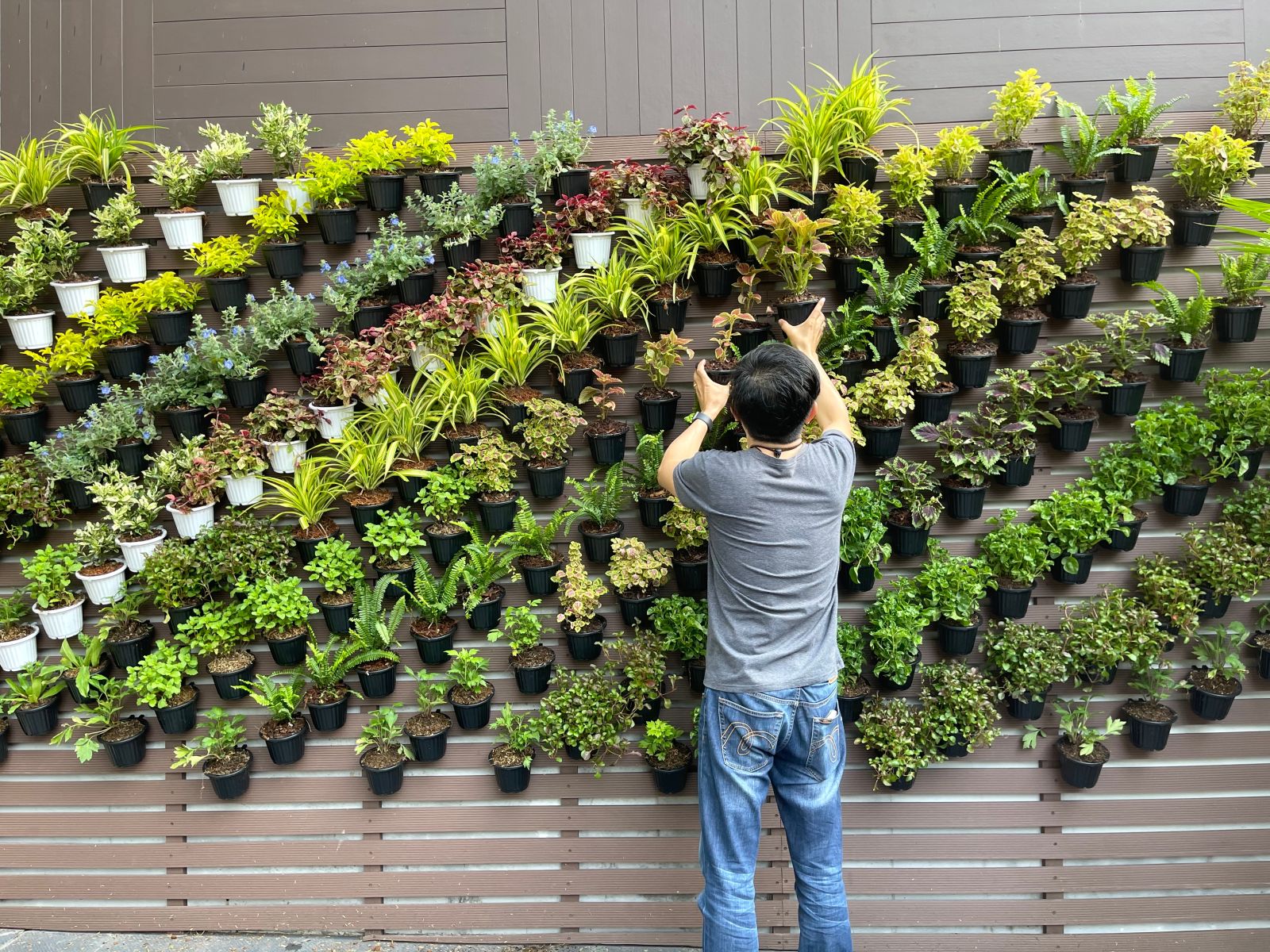
Creating your own vertical garden structures can be a fun and rewarding project. Wall-mounted planters, hanging baskets, and trellises are popular options that can be customized to fit your space and style. Recycled materials like wooden pallets, old ladders, and PVC pipes can be repurposed into unique and functional garden structures. When designing your vertical garden, consider the weight of the materials and ensure they are securely anchored to prevent accidents. With a little creativity and some basic tools, you can build a vertical garden that not only saves space but also adds a personal touch to your home.
Maintenance and Care
Maintaining a vertical garden requires some attention but is generally manageable with a few simple steps. Watering is crucial, as vertical gardens tend to dry out faster than traditional gardens. Drip irrigation systems or self-watering planters can help maintain consistent moisture levels. Fertilizing is also important to ensure your plants receive the necessary nutrients, especially in confined spaces. Regularly pruning and training your plants will encourage healthy growth and prevent overcrowding. Keep an eye out for pests and diseases, and address any issues promptly to keep your vertical garden thriving.
Benefits of Vertical Gardening
The benefits of vertical gardening extend beyond just space-saving. Improved air quality, reduced stress levels, and enhanced aesthetic appeal are just a few of the advantages. Vertical gardens can also provide a habitat for beneficial insects and birds, contributing to local biodiversity. For those growing edible plants, vertical gardening offers the convenience of fresh produce right at your doorstep. Additionally, vertical gardens can act as natural insulators, helping to regulate indoor temperatures and potentially reducing energy costs. Embracing vertical gardening not only maximizes your space but also enhances your overall quality of life.