Maximizing Fuel Efficiency in Your Car
Discover practical tips and techniques to maximize your car's fuel efficiency, saving you money and reducing your carbon footprint.
Regular Maintenance is Key
Maintaining your car regularly is essential for maximizing fuel efficiency. This includes changing the oil, replacing air filters, and ensuring your tires are properly inflated. Neglecting these basic tasks can lead to decreased engine performance and increased fuel consumption. A well-maintained engine runs more efficiently, burning fuel more completely and providing better mileage. Additionally, keeping your tires at the correct pressure reduces rolling resistance, which in turn saves fuel. Simple tasks like checking your tire pressure once a month can make a significant difference in your car's fuel efficiency. Regular maintenance also includes checking for any potential issues like leaks or worn-out parts that can cause your engine to work harder than necessary, thereby consuming more fuel.
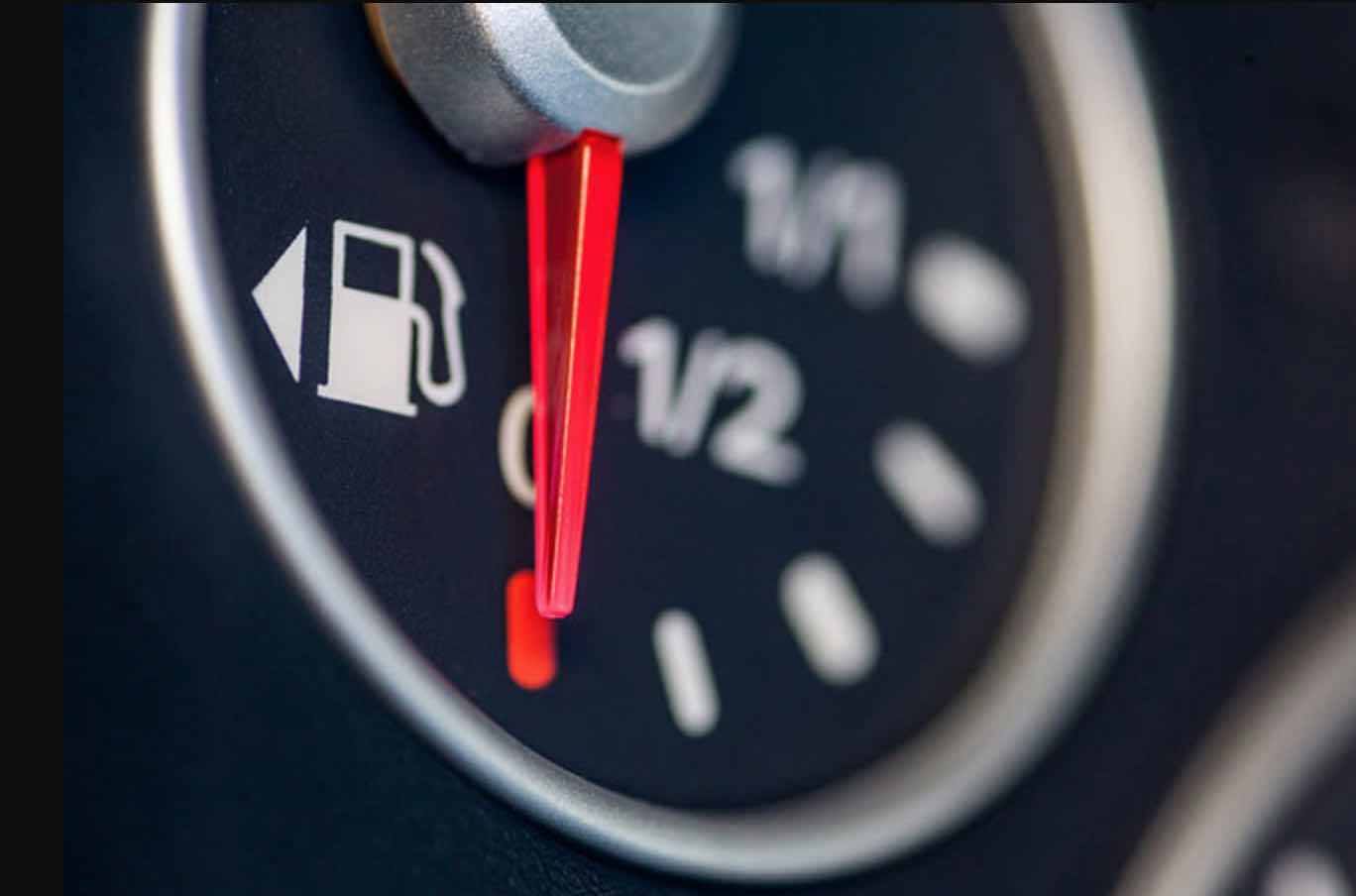
Drive Smoothly
How you drive has a direct impact on your car's fuel efficiency. Aggressive driving behaviors such as rapid acceleration, speeding, and hard braking can significantly decrease your miles per gallon (MPG). Smooth and gradual acceleration uses less fuel and helps maintain a steady speed, which is more efficient. Anticipating traffic conditions and slowing down gradually instead of braking suddenly also helps. Using cruise control on highways can help maintain a consistent speed and improve fuel efficiency. The less frequently you have to accelerate and brake, the better your fuel economy will be. Driving at moderate speeds rather than constantly speeding up and slowing down can save a considerable amount of fuel over time.
Lighten the Load
The more weight your car carries, the more fuel it uses. Reducing excess weight can improve your vehicle's fuel efficiency. This means removing unnecessary items from your trunk and interior. Even small reductions in weight can lead to noticeable improvements in fuel economy. For example, carrying around heavy tools or sports equipment that you don't need can lower your MPG. Additionally, consider removing roof racks or carriers when not in use, as they add extra weight and create aerodynamic drag. This drag increases fuel consumption, especially at higher speeds. Being mindful of the weight your car carries can help you get the most out of every gallon of fuel.
Optimize Your Routes
Planning your trips efficiently can save both time and fuel. Optimizing your routes involves choosing the shortest and least congested paths to your destination. Using GPS apps that provide real-time traffic updates can help you avoid traffic jams and reduce idle time, which wastes fuel. Combining errands into a single trip instead of making multiple short trips can also improve fuel efficiency. Short trips from a cold start use more fuel because the engine is not at its optimal operating temperature. By combining trips, you can ensure that your engine stays warm and runs more efficiently. Additionally, avoiding peak traffic hours can help you maintain a steady speed and reduce stop-and-go driving, further improving your fuel economy.
Use Air Conditioning Wisely
While air conditioning provides comfort, it can also increase your car's fuel consumption. Using air conditioning at lower speeds, such as in city driving, can significantly reduce your MPG. At higher speeds, however, it is more efficient to use air conditioning than to drive with the windows down, as open windows create aerodynamic drag. To maximize fuel efficiency, use the air conditioning sparingly and consider using the vehicle's ventilation system instead. Parking in the shade or using a sunshade can keep your car cooler and reduce the need for air conditioning. When you do use the air conditioning, setting it to a moderate temperature rather than the coldest setting can also help save fuel.
Maintain Aerodynamics
Your car's design plays a crucial role in its fuel efficiency. Maintaining aerodynamics means keeping your vehicle as streamlined as possible. This includes removing external accessories like roof racks and bike carriers when not in use, as they create additional drag and reduce fuel efficiency. Even keeping your windows closed at high speeds can make a difference. Clean your car regularly to remove dirt and debris that can affect its aerodynamic properties. Ensuring that your car's body is in good condition, with no loose parts that can catch the wind, also helps. By minimizing aerodynamic drag, you can improve your vehicle's overall fuel economy.
Choose the Right Fuel
Using the appropriate type of fuel for your car is essential for optimal performance and fuel efficiency. Choosing the right fuel involves following the manufacturer's recommendations for fuel type and octane rating. Using a higher octane fuel than necessary does not improve performance or fuel efficiency and can be a waste of money. Additionally, consider using fuel additives that clean the engine and fuel system, as a clean engine runs more efficiently. Some fuels also contain detergents that help keep the engine clean and maintain optimal performance. By using the right fuel and maintaining a clean engine, you can ensure that your car operates at its best, providing maximum fuel efficiency.