How to Start a Vegetable Garden from Scratch
Learn the essential steps to start a vegetable garden from scratch, including site selection, soil preparation, and choosing the right plants.
Choosing the Right Location
Selecting the perfect spot for your vegetable garden is the first crucial step. Aim for a location that receives at least six to eight hours of sunlight daily, as most vegetables thrive in sunny environments. Avoid areas prone to flooding or with poor drainage. Consider proximity to a water source to make irrigation easier. Soil quality is also essential; sandy loam soil enriched with organic matter is ideal. If your soil is less than perfect, raised beds or container gardening can be excellent alternatives. Remember, a well-chosen location sets the foundation for a successful garden.
Preparing the Soil
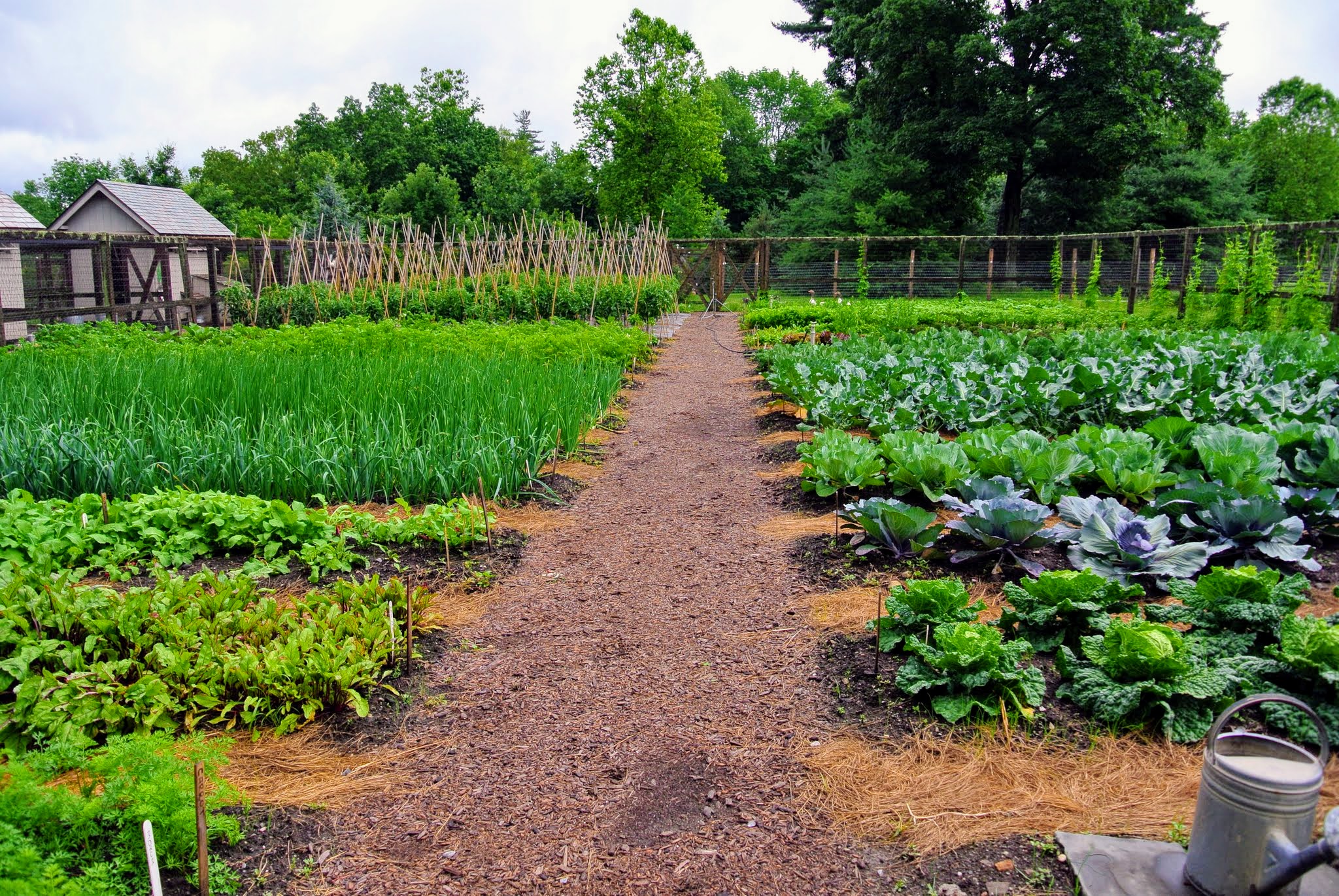
Once you've selected the right spot, it's time to prepare the soil. Start by removing any weeds, rocks, and debris from the area. Loosen the soil to a depth of at least 12 inches using a garden fork or tiller. Incorporate organic matter such as compost or well-rotted manure to improve soil structure and fertility. A soil test can help determine if any additional amendments are needed, such as lime to adjust pH levels. Good soil preparation ensures your vegetables have the nutrients they need to grow strong and healthy.
Choosing Your Vegetables
Selecting the right vegetables for your garden depends on several factors, including your climate, soil type, and personal preferences. Beginners might start with easy-to-grow vegetables like tomatoes, lettuce, and radishes. Consider planting both cool-season and warm-season crops to extend your harvest. Research the growing requirements for each vegetable, such as spacing, sunlight, and water needs. Companion planting can also be beneficial; for example, planting basil near tomatoes can improve growth and deter pests. A well-planned selection ensures a diverse and productive garden.
Planting Your Seeds or Seedlings
Deciding between seeds and seedlings depends on your gardening goals and experience. Seeds are more economical but require more time and care to germinate. Seedlings, on the other hand, offer a head start but can be more expensive. Follow the planting instructions on seed packets or plant labels carefully. Ensure proper spacing to avoid overcrowding, which can lead to disease and poor growth. Water the newly planted seeds or seedlings gently but thoroughly to help them establish roots. Proper planting techniques set the stage for a bountiful harvest.
Watering and Mulching
Consistent watering is vital for a thriving vegetable garden. Aim to keep the soil evenly moist, but not waterlogged. Deep watering encourages roots to grow deeper, making plants more resilient. Early morning watering is best to minimize evaporation and fungal growth. Mulching around your plants helps retain moisture, suppress weeds, and regulate soil temperature. Organic mulches such as straw, grass clippings, or shredded leaves are excellent choices. Effective watering and mulching practices contribute to a healthy and productive garden.
Fertilizing Your Garden
Vegetables are heavy feeders, so regular fertilization is crucial. Use a balanced fertilizer or one tailored to your specific crops. Organic options like compost, fish emulsion, or seaweed extract provide essential nutrients without the risk of chemical buildup. Follow the recommended application rates to avoid over-fertilizing, which can harm plants and the environment. Pay attention to the growth stages of your vegetables; young plants and fruiting plants have different nutrient needs. Proper fertilization ensures vigorous growth and abundant yields.
Managing Pests and Diseases
Pests and diseases can pose significant challenges to vegetable gardening. Integrated Pest Management (IPM) is a sustainable approach that combines cultural, biological, and mechanical control methods. Regularly inspect your plants for signs of pests or disease, such as discolored leaves or holes. Use natural predators, such as ladybugs, to control aphids. Hand-pick larger pests like caterpillars or use barriers like row covers to protect plants. Organic sprays, such as neem oil, can also be effective. A proactive approach helps maintain a healthy garden.
Harvesting and Enjoying Your Produce
The culmination of your hard work is the harvest. Knowing when and how to harvest is crucial for the best flavor and quality. Harvest vegetables at their peak ripeness; for example, pick tomatoes when they are fully colored and firm. Use clean, sharp tools to avoid damaging plants. Some vegetables, like leafy greens, can be harvested multiple times throughout the season. Enjoying fresh, homegrown produce is one of the most rewarding aspects of gardening. Share your bounty with friends and family or preserve it for later use. Savor the fruits of your labor and plan for the next growing season.