How to Create a Sustainable Home Garden
Learn how to create a sustainable home garden with tips on eco-friendly practices, plant selection, and resource management.
Planning Your Sustainable Home Garden
Creating a sustainable home garden starts with careful planning. Begin by assessing the available space, light conditions, and soil quality in your garden. Consider the types of plants that thrive in your local climate and are native to your region, as they require less water and maintenance. Sketch a layout that includes areas for vegetables, herbs, flowers, and possibly a composting site. Planning ahead ensures that your garden is both efficient and environmentally friendly, reducing the need for chemical fertilizers and pesticides. Take into account the growth habits of plants to avoid overcrowding and ensure proper air circulation.
Choosing the Right Plants
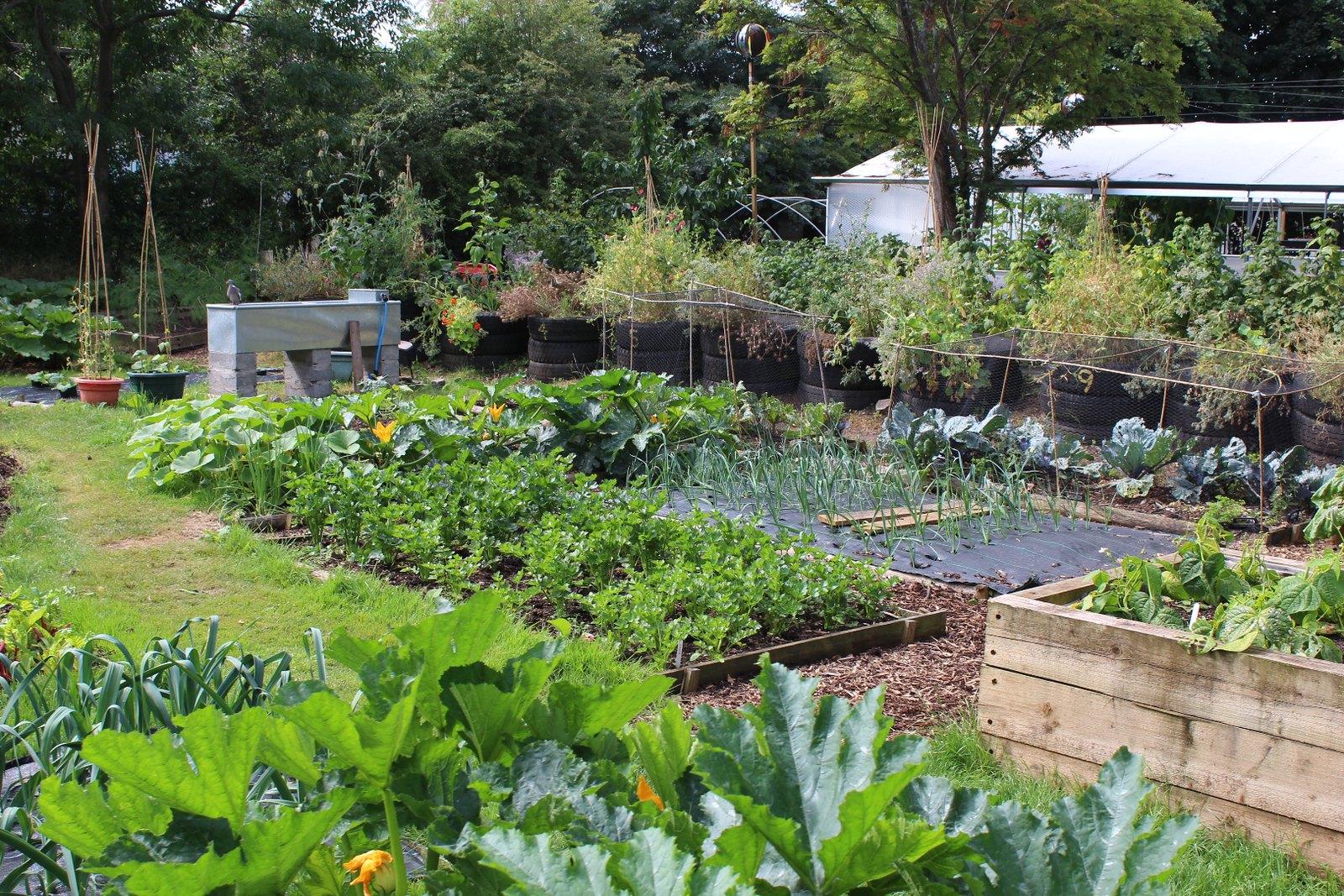
Selecting the right plants is crucial for a sustainable garden. Opt for native species and drought-resistant plants, which are adapted to your local environment and require less water and care. Companion planting is another strategy to consider, where certain plants are grown together to benefit each other by deterring pests or enhancing growth. For instance, planting marigolds alongside tomatoes can repel harmful insects. Prioritize perennials over annuals, as they return year after year, reducing the need for replanting and soil disturbance.
Soil Health and Composting
Healthy soil is the foundation of a sustainable garden. Focus on building rich, organic soil by incorporating compost and organic matter. Composting kitchen scraps, yard waste, and other biodegradable materials can create nutrient-rich compost that enhances soil fertility. Avoid using chemical fertilizers that can harm beneficial soil organisms and leach into water supplies. Regularly test your soil to monitor its pH and nutrient levels, and adjust your composting and fertilization practices accordingly. Mulching with organic materials like straw or wood chips can help retain moisture, suppress weeds, and gradually improve soil structure as it decomposes.
Water Conservation Techniques
Water conservation is a key aspect of sustainable gardening. Implement efficient watering practices such as drip irrigation systems or soaker hoses that deliver water directly to the plant roots, minimizing evaporation and runoff. Collect rainwater using barrels or other containers to reduce reliance on municipal water supplies. Water your garden during the early morning or late evening to reduce evaporation and ensure that plants absorb the maximum amount of moisture. Group plants with similar water needs together to optimize watering schedules and avoid over-watering.
Pest Management without Chemicals
Managing pests sustainably involves integrated pest management (IPM) techniques. Encourage beneficial insects like ladybugs, lacewings, and predatory beetles that prey on harmful pests. Planting a diverse range of species can also help prevent pest infestations by creating a balanced ecosystem. Use physical barriers like row covers or netting to protect plants from insects and wildlife. If pests become a significant issue, opt for organic solutions like neem oil, insecticidal soaps, or homemade remedies. Regularly inspect your plants for signs of pest damage and address issues promptly to prevent widespread infestations.
Sustainable Garden Maintenance
Maintaining a sustainable garden requires ongoing care and attention. Practice crop rotation to prevent soil depletion and reduce the risk of disease. Rotate plant families each season to disrupt pest and disease cycles. Prune plants regularly to promote healthy growth and remove any diseased or damaged foliage. Weeding is essential to prevent competition for nutrients and water, but opt for manual or mechanical methods instead of chemical herbicides. Regularly monitor your garden's health and make adjustments as needed to ensure it remains productive and sustainable.
Harvesting and Preserving Your Produce
Harvesting your garden's bounty is a rewarding part of sustainable gardening. Pick fruits and vegetables at their peak ripeness to enjoy the best flavor and nutritional value. Learn proper harvesting techniques for each type of plant to avoid damaging them and ensure continued production. Preserve excess produce through canning, freezing, drying, or fermenting to reduce waste and enjoy your garden's harvest year-round. Sharing surplus produce with neighbors or donating to local food banks can also contribute to a sustainable community.
Educating and Involving the Community
A sustainable home garden can serve as an educational tool and a community resource. Involve family members in gardening activities to teach them about sustainability and self-sufficiency. Share your knowledge and experience with neighbors and community groups to promote sustainable gardening practices. Consider starting a community garden or participating in local gardening clubs to exchange ideas and resources. By fostering a sense of community and collaboration, you can help create a network of sustainable gardens that benefit the environment and enhance local food security.