How to Build a Stunning Rock Garden
Learn the essential steps to design and build a stunning rock garden that enhances your outdoor space with natural beauty.
Selecting the Right Location
Choosing the perfect location is the first step in building a stunning rock garden. Sunlight is crucial for many rock garden plants, so pick a spot that gets plenty of natural light. Additionally, consider the drainage of the area. Rock gardens thrive in well-drained soil, so avoid low-lying spots where water tends to accumulate. The location should also complement your existing landscape, enhancing the overall aesthetic of your garden. By carefully selecting the location, you lay a strong foundation for a rock garden that will flourish and impress.
Designing the Layout
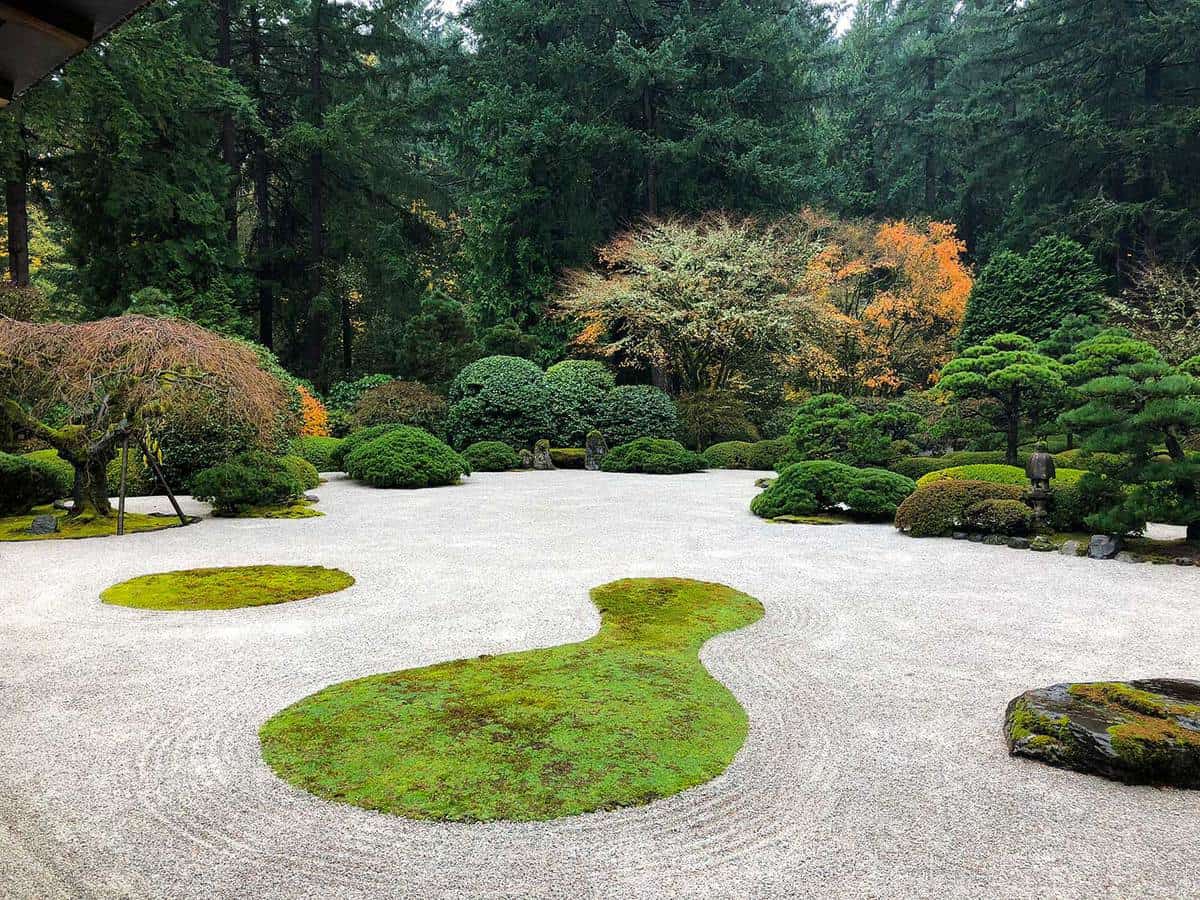
Designing the layout is where creativity comes into play. Start by sketching a rough plan of your garden, including the placement of large rocks, pathways, and plant beds. Think about the flow and balance of your design. You want a harmonious mix of rocks and plants, with varying heights and textures. Consider using different types of rocks to add visual interest. The layout should also be practical, allowing for easy maintenance and access. A well-thought-out design will ensure your rock garden is both beautiful and functional.
Choosing the Right Rocks
The choice of rocks can make or break your garden's aesthetic. Opt for natural stones that blend well with your landscape. Limestone, granite, and sandstone are popular choices. The size and shape of the rocks are equally important. Larger rocks can serve as focal points, while smaller stones can be used to create pathways or borders. Mixing different sizes and shapes will add depth and dimension to your garden. Remember, the rocks are the backbone of your garden, so choose wisely to create a stunning visual impact.
Selecting Suitable Plants
Selecting the right plants is crucial for the success of your rock garden. Drought-tolerant and low-maintenance plants are ideal. Consider using succulents, alpine plants, and perennials that thrive in rocky conditions. These plants not only add color and texture but also require minimal care. Pay attention to the planting zones and sunlight requirements of each species. Group plants with similar needs together to ensure they flourish. The right plant selection will bring life and vibrancy to your rock garden.
Preparing the Soil
Preparing the soil is a critical step that should not be overlooked. Rock gardens require well-draining soil to prevent waterlogging. Start by removing any existing vegetation and debris from the area. You may need to amend the soil with sand or gravel to improve drainage. A layer of landscape fabric can also be used to suppress weeds. Once the soil is prepared, you can start placing your rocks and plants. Proper soil preparation will ensure your plants have the best possible environment to grow and thrive.
Placing the Rocks
Placing the rocks is an art form in itself. Begin with the largest rocks, positioning them as focal points. Bury them partially to make them look natural and stable. Gradually add smaller rocks, arranging them in a way that mimics nature. Think about how rocks are placed in natural settings, often in clusters or scattered patterns. Use gravel or small stones to fill gaps and create a cohesive look. The strategic placement of rocks will give your garden a natural and organic feel, enhancing its overall beauty.
Planting and Mulching
Once your rocks are in place, it's time to start planting. Dig holes that are slightly larger than the root balls of your plants. Place the plants in the holes, fill with soil, and press gently to remove air pockets. After planting, add a layer of mulch to retain moisture and suppress weeds. Organic mulch like bark or compost is ideal. Mulching not only helps in maintaining soil moisture but also adds a finished look to your garden. With the plants in place and mulched, your rock garden will start to take shape.
Maintenance Tips
Maintaining a rock garden is relatively easy, but it does require some attention. Regularly check for weeds and remove them promptly to prevent them from taking over. Water your plants as needed, especially during dry spells. Prune and trim plants to keep them looking neat and tidy. Inspect the rocks and reposition them if they become dislodged. Adding a fresh layer of mulch annually can also help in maintaining the garden's appearance. With minimal effort, you can keep your rock garden looking stunning year-round.