Exploring Exotic Fruits and Vegetables in Your Local Grocery Store
Discover the vibrant world of exotic fruits and vegetables available at your local grocery store, and learn how to incorporate them into your meals.
Discovering Hidden Gems
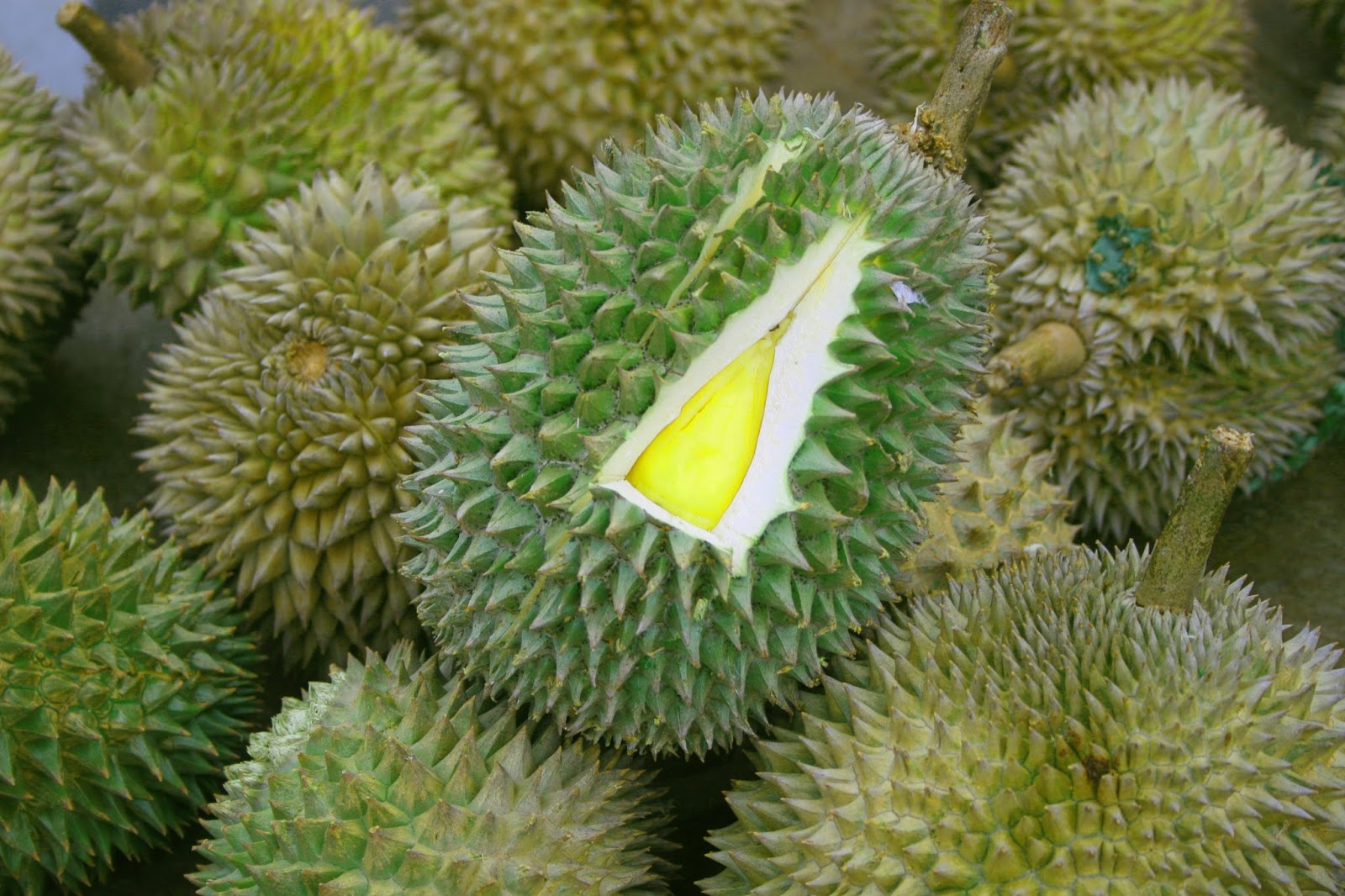
Exploring the produce section of your local grocery store can feel like embarking on a culinary adventure. Among the familiar apples and carrots, you might stumble upon exotic fruits and vegetables that promise to elevate your meals with unique flavors and textures. These hidden gems often come from distant lands, offering a taste of different cultures right in your kitchen. Whether it's the spiky durian or the vibrant dragon fruit, taking the time to discover these items can add excitement to your cooking routine. Don't be afraid to ask store employees for tips on selecting and preparing these intriguing finds.
Nutritional Powerhouses
Many exotic fruits and vegetables are not just tasty but also packed with nutritional benefits. For instance, the nutrient-dense jackfruit is a great source of vitamins A and C, fiber, and antioxidants. Similarly, leafy greens like bok choy and water spinach are rich in vitamins K and A, essential for maintaining good health. Including a variety of these exotic options in your diet can help you meet your nutritional needs while also introducing new flavors to your palate. Plus, many of these items have been staples in traditional diets for centuries, celebrated for their health-boosting properties.
Culinary Versatility
One of the joys of experimenting with exotic produce is discovering their culinary versatility. Take the starchy taro root, for example. It can be boiled, mashed, or even turned into chips. The sweet and tangy tamarind can be used in both savory dishes and desserts, adding a unique twist to your recipes. Learning how to incorporate these ingredients into your meals can be a fun and rewarding experience. Try starting with simple recipes and gradually experimenting with more complex dishes as you become more comfortable with these new flavors.
Cultural Connection
Each exotic fruit and vegetable carries with it a piece of the culture from which it originates. By incorporating these items into your diet, you're not just trying new foods; you're also embracing a global culinary heritage. For example, the bitter melon is a staple in Asian cuisine, often used in stir-fries and soups. Meanwhile, the African horned cucumber, also known as kiwano, adds a unique touch to fruit salads and smoothies. Exploring these foods can be a way to connect with different cultures and traditions, enriching your culinary knowledge and appreciation.
Seasonal Availability
While many exotic fruits and vegetables are available year-round, some are seasonal and best enjoyed at their peak freshness. Understanding the seasonal availability of these items can help you make the most of your grocery shopping. For example, mangosteen and lychee are typically found during the summer months, while persimmons are more common in the fall. Paying attention to these seasonal patterns can ensure you enjoy these fruits and vegetables when they are at their most flavorful and nutritious. It also adds an element of anticipation and excitement to your shopping trips.
Eco-Friendly Choices
Incorporating exotic fruits and vegetables into your diet can also be an eco-friendly choice. Many of these items are grown using sustainable farming practices, supporting biodiversity and reducing the environmental impact of agriculture. By choosing to buy these products, you are often supporting small farmers and communities around the world. Additionally, exploring a variety of produce can reduce your reliance on a limited number of crops, promoting a more diverse and resilient food system. So, next time you're at the grocery store, consider adding some exotic options to your cart and enjoy the myriad benefits they offer.