Essential Yoga Poses for Beginners
Discover the essential yoga poses for beginners to enhance flexibility, build strength, and promote relaxation in your practice.
Mountain Pose (Tadasana)
Mountain Pose, or Tadasana, is often considered the foundation of all standing yoga poses. This pose helps to improve posture, balance, and awareness. Start by standing with your feet together, arms at your sides. Press your feet into the ground and engage your thigh muscles. Lift your chest and roll your shoulders back. Keep your chin parallel to the ground and breathe deeply. This pose is excellent for grounding and centering yourself, making it an ideal starting point for any yoga practice. It's a simple yet powerful pose that helps you connect with your body and breath.
Downward-Facing Dog (Adho Mukha Svanasana)
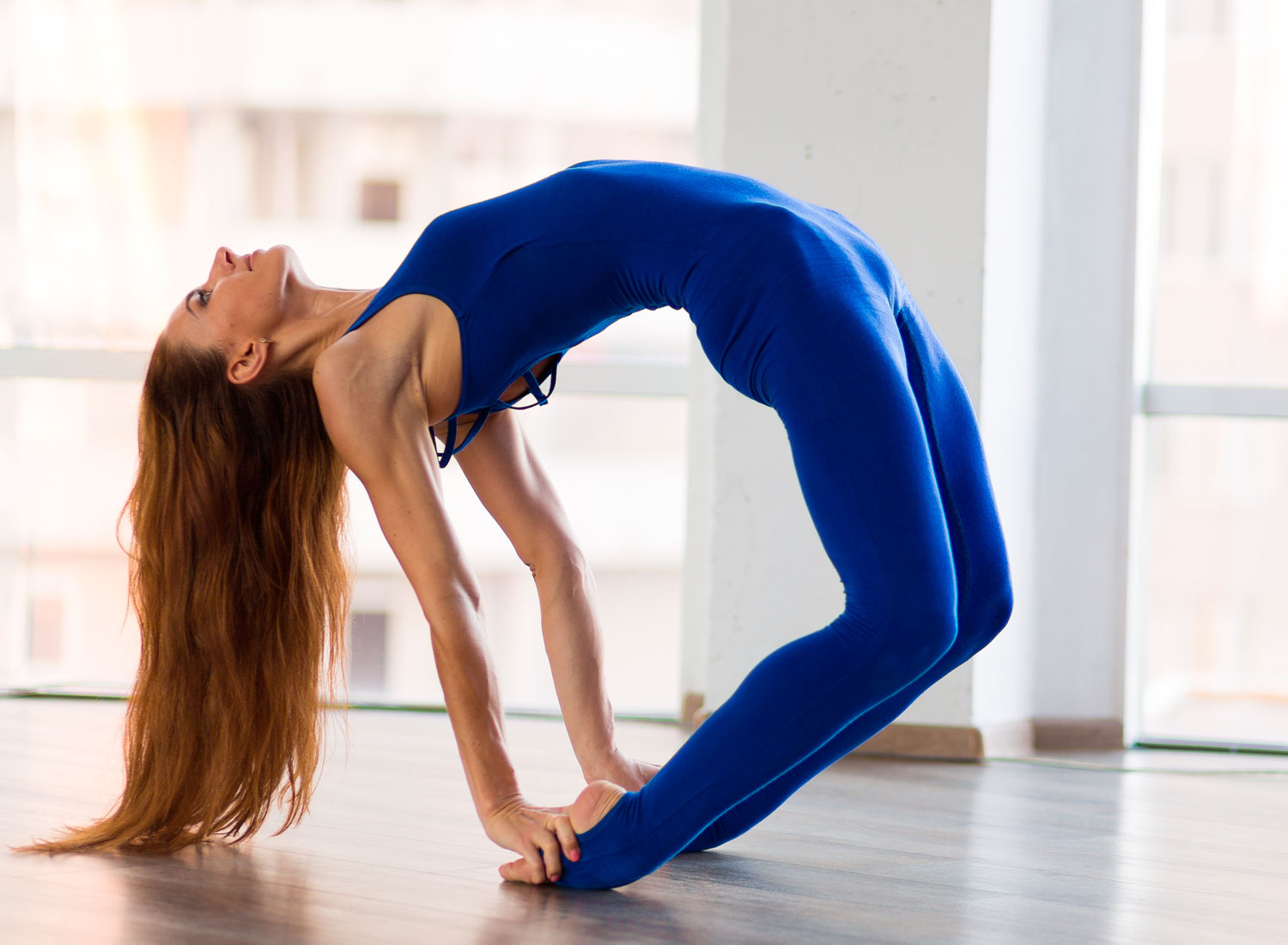
Downward-Facing Dog, or Adho Mukha Svanasana, is a staple in many yoga sequences. Begin on your hands and knees, with your wrists aligned under your shoulders and your knees under your hips. Spread your fingers wide and press firmly into the mat. Tuck your toes under and lift your hips towards the ceiling, forming an inverted V-shape with your body. This pose stretches the hamstrings, calves, and shoulders while also strengthening the arms and legs. It's a great way to relieve tension and increase flexibility, making it a must-know pose for beginners.
Warrior I (Virabhadrasana I)
Warrior I, or Virabhadrasana I, is a powerful standing pose that builds strength and stability. Start in Mountain Pose and step your left foot back about 4 feet. Turn your left foot slightly outward and bend your right knee over your right ankle. Raise your arms overhead, keeping your palms facing each other. Square your hips towards the front of the mat and hold the pose. Warrior I strengthens the legs, opens the hips, and stretches the chest and shoulders. It's an empowering pose that boosts confidence and focus, making it perfect for beginners looking to build their practice.
Child's Pose (Balasana)
Child's Pose, or Balasana, is a restorative pose that provides a gentle stretch to the back, hips, and thighs. Begin on your hands and knees, then sit back on your heels and stretch your arms forward, lowering your forehead to the mat. This pose is excellent for relaxation and stress relief. It allows you to take a break and reset during your practice. Child's Pose encourages deep breathing and helps to calm the mind, making it an essential pose for beginners who need to learn how to listen to their bodies and rest when needed.
Tree Pose (Vrksasana)
Tree Pose, or Vrksasana, is a balancing pose that improves focus and stability. Start in Mountain Pose and shift your weight onto your right foot. Place the sole of your left foot on your inner right thigh or calf, avoiding the knee. Bring your hands to your heart or raise them overhead. Find a focal point to help maintain your balance. Tree Pose strengthens the legs and core while also enhancing concentration and mindfulness. It's a great pose for beginners to practice balance and mental clarity, essential skills for any yoga practice.
Cat-Cow Pose (Marjaryasana-Bitilasana)
The Cat-Cow Pose sequence, or Marjaryasana-Bitilasana, is a gentle flow between two poses that warms up the spine. Start on your hands and knees with your wrists under your shoulders and your knees under your hips. Inhale as you arch your back, dropping your belly towards the mat (Cow Pose). Exhale as you round your spine, drawing your belly towards your spine (Cat Pose). This sequence increases flexibility in the spine and stretches the back and neck. It's a soothing way to start or end your practice, helping beginners to connect breath with movement and enhance spinal mobility.