Boost Your Immune System Naturally
Discover effective natural methods to enhance your immune system and protect your health without relying on medications.
Strengthen Your Immune System with Nutrition
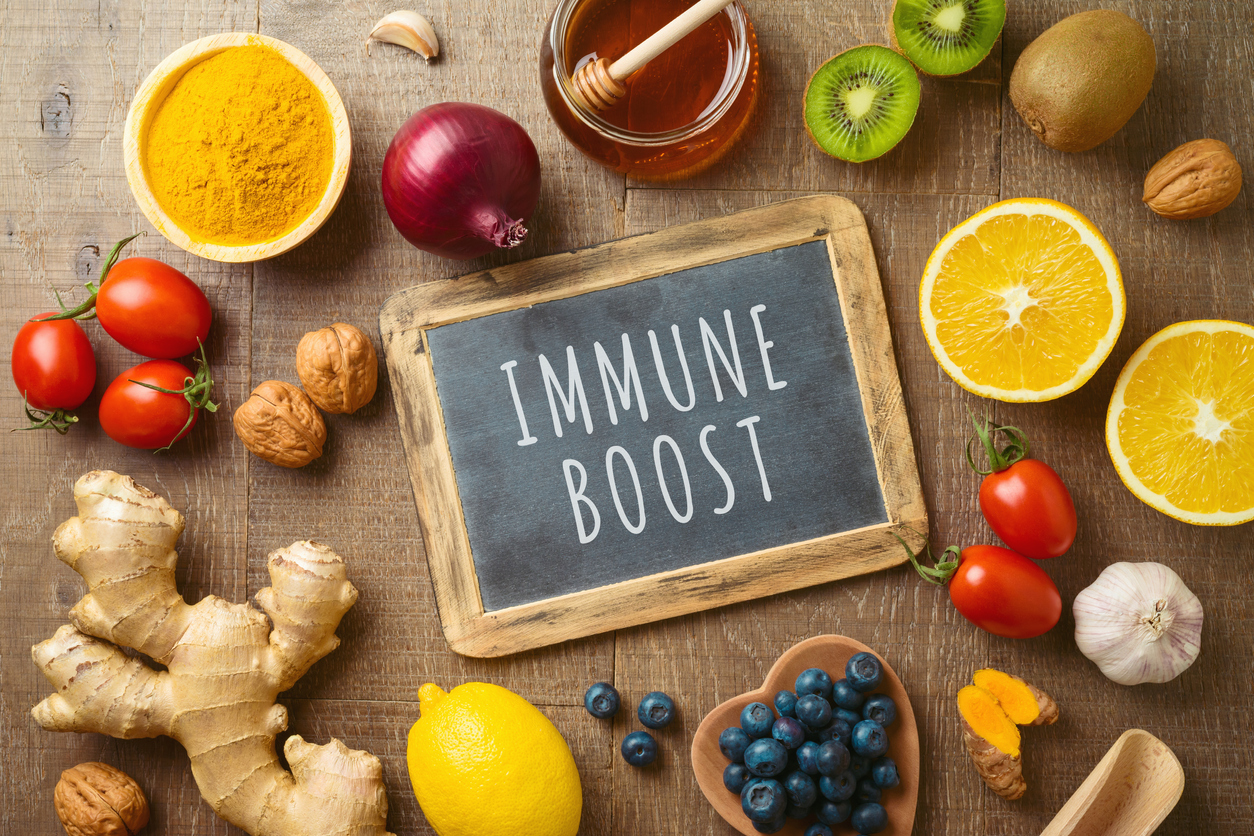
One of the most effective ways to boost your immune system is through proper nutrition. Consuming a balanced diet rich in vitamins and minerals is essential. Foods like citrus fruits, red bell peppers, broccoli, garlic, and spinach are packed with vitamin C and other nutrients that can enhance immune function. Don't forget to include probiotics like yogurt and fermented foods, which support gut health and, consequently, immunity. Aim to fill your plate with a variety of colors and ensure you get a mix of proteins, healthy fats, and carbohydrates.
The Power of Regular Exercise
Engaging in regular physical activity can significantly boost your immune system. Exercise improves cardiovascular health, lowers blood pressure, helps control body weight, and protects against various diseases. Activities like walking, jogging, cycling, and swimming are great options. Even moderate exercise can stimulate immune cells and enhance their ability to fight infections. Aim for at least 150 minutes of moderate exercise per week. Remember, consistency is key, so find an activity you enjoy and make it a part of your routine.
Importance of Quality Sleep
Adequate and quality sleep is crucial for a robust immune system. During sleep, the body repairs itself and produces vital immune cells like cytokines. Lack of sleep can lead to a weakened immune response, making you more susceptible to illnesses. Aim for 7-9 hours of sleep per night and maintain a regular sleep schedule. Create a sleep-friendly environment by keeping your bedroom cool, dark, and quiet. Avoid screens and heavy meals before bedtime to improve sleep quality.
Managing Stress Levels
Chronic stress can negatively impact your immune system, making you more vulnerable to infections. Stress hormones like cortisol can suppress immune function if they remain elevated for prolonged periods. Practice stress management techniques such as meditation, deep breathing exercises, and yoga. Engaging in hobbies, spending time with loved ones, and even simple activities like reading or listening to music can also help reduce stress levels. Incorporating these practices into your daily routine can lead to a stronger immune system.
Staying Hydrated
Proper hydration is often overlooked but is essential for maintaining a healthy immune system. Water helps in the production of lymph, which carries white blood cells and other immune system cells. Aim to drink at least 8 glasses of water a day, more if you are physically active or live in a hot climate. Herbal teas and broths can also contribute to your daily fluid intake. Avoid excessive consumption of caffeinated and sugary beverages, as they can lead to dehydration.
Benefits of Sunlight and Vitamin D
Sunlight is a natural source of vitamin D, which plays a crucial role in immune function. Vitamin D helps in the activation of immune cells that protect the body from pathogens. Spend at least 15-20 minutes in the sunlight daily, preferably in the morning or late afternoon. If you live in an area with limited sunlight, consider taking a vitamin D supplement after consulting with a healthcare professional. Foods like fatty fish, egg yolks, and fortified products can also provide vitamin D.
Incorporating Herbal Supplements
Certain herbal supplements can provide an additional boost to your immune system. Herbs like echinacea, elderberry, and astragalus have been traditionally used to support immune health. These herbs can be taken in various forms, such as teas, tinctures, or capsules. Always consult with a healthcare provider before starting any new supplement, especially if you are taking other medications or have underlying health conditions. Incorporating these natural remedies can offer an extra layer of protection against illnesses.