A Beginner's Guide to ATV Riding
Discover the essentials of ATV riding with our comprehensive beginner's guide, covering safety tips, gear, and riding techniques.
Introduction to ATV Riding
ATV riding, short for All-Terrain Vehicle riding, is an exhilarating outdoor activity that combines the thrill of off-road adventure with the joy of exploring nature. Whether you're navigating through dense forests, sandy dunes, or rocky trails, ATVs provide a unique way to experience the great outdoors. As a beginner, it's essential to understand the basics of ATV riding, including safety measures, proper gear, and basic riding techniques. This guide aims to equip you with the knowledge you need to start your ATV riding journey confidently and safely. Safety should always be your top priority when riding an ATV.
Choosing the Right ATV
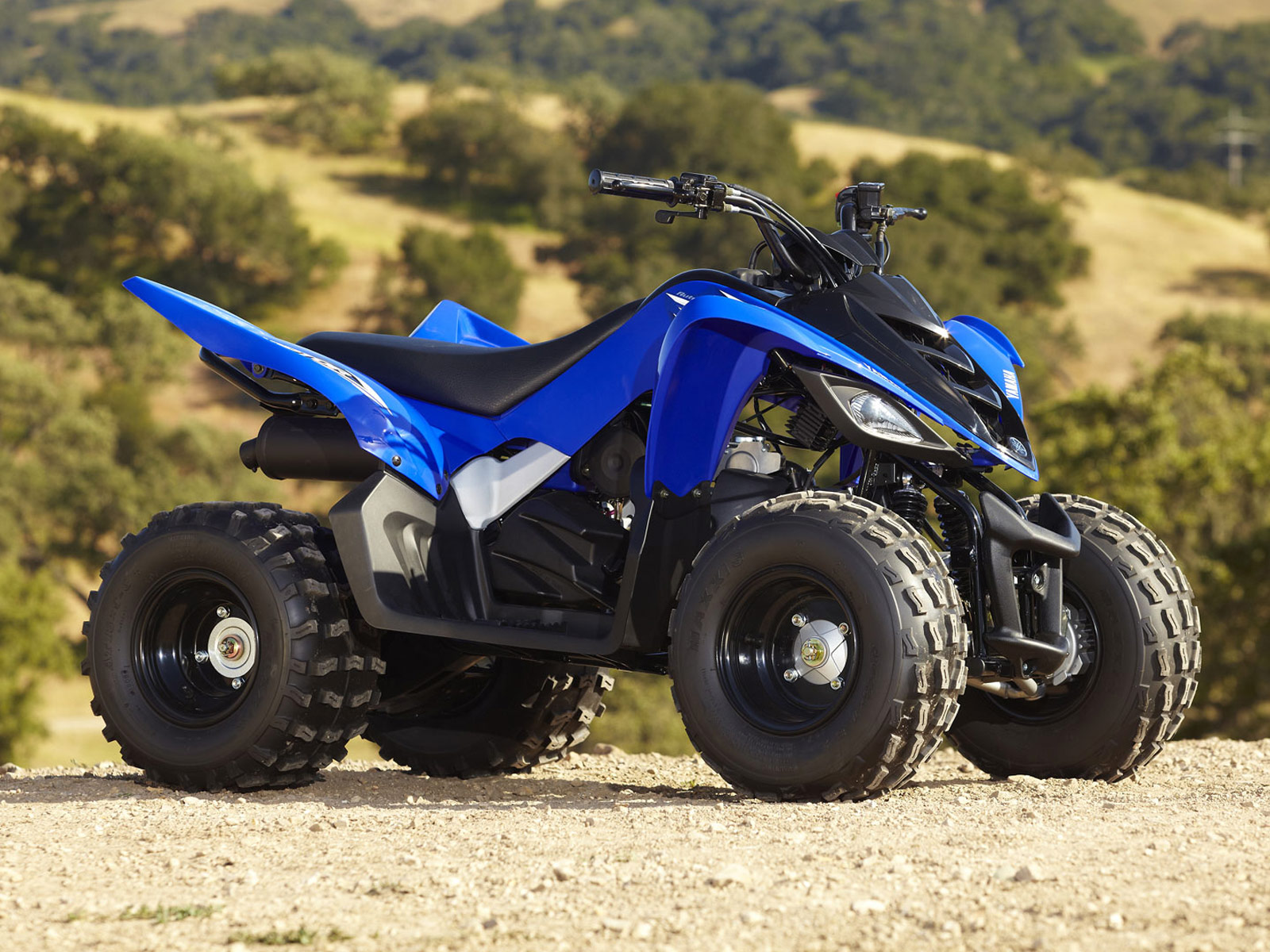
Selecting the right ATV is crucial for an enjoyable and safe riding experience. ATVs come in various sizes and engine capacities, ranging from youth models to powerful machines designed for experienced riders. As a beginner, it's advisable to start with a smaller engine size, typically between 250cc and 400cc, which offers a good balance of power and control. Additionally, consider the type of terrain you'll be riding on. For instance, sport ATVs are designed for speed and agility, ideal for trails and tracks, while utility ATVs are built for heavy-duty tasks and rough terrains. Make sure to consult with a knowledgeable dealer to find the best ATV that suits your needs and skill level.
Essential Safety Gear
Wearing the right safety gear is non-negotiable when it comes to ATV riding. The most critical piece of equipment is a DOT-approved helmet, which can significantly reduce the risk of head injuries. In addition to a helmet, other essential gear includes goggles to protect your eyes from debris, gloves for better grip and hand protection, and boots that offer ankle support and protection. Wearing a chest protector and knee guards can also provide added safety. Investing in high-quality gear may seem costly, but it's a small price to pay for your safety. Remember, safety gear not only protects you but also enhances your overall riding experience by providing comfort and confidence.
Basic Riding Techniques
Mastering basic riding techniques is fundamental for any beginner. Start by familiarizing yourself with the ATV controls, including the throttle, brakes, and gears. Practice riding in a controlled environment, such as an open field, before tackling more challenging terrains. One of the essential techniques to learn is body positioning; shifting your weight helps maintain balance and control, especially on uneven surfaces. For instance, lean forward when climbing hills and shift your weight back when descending. Also, practice turning by leaning into the turn and using a smooth, steady throttle. These basic techniques will build a solid foundation for more advanced riding skills.
Maintenance and Care
Proper maintenance is key to ensuring the longevity and performance of your ATV. Regularly check the tire pressure and inspect for any signs of wear or damage. Keeping the chain or drive belt properly lubricated and tensioned is also crucial for smooth operation. Make it a habit to clean the air filter regularly, as a clogged filter can affect engine performance. Additionally, check the brake fluid and coolant levels to ensure they are within the recommended range. Following the manufacturer's maintenance schedule and addressing any issues promptly can prevent costly repairs and keep your ATV in top condition. Regular maintenance not only enhances safety but also ensures that your ATV is always ready for your next adventure.